Zebec Virtual Card Test: USDC Funding, Any Good?
- Filed
- Virtual Card Reviews
- First run
- 2025-06-12
- Length
- 869 words
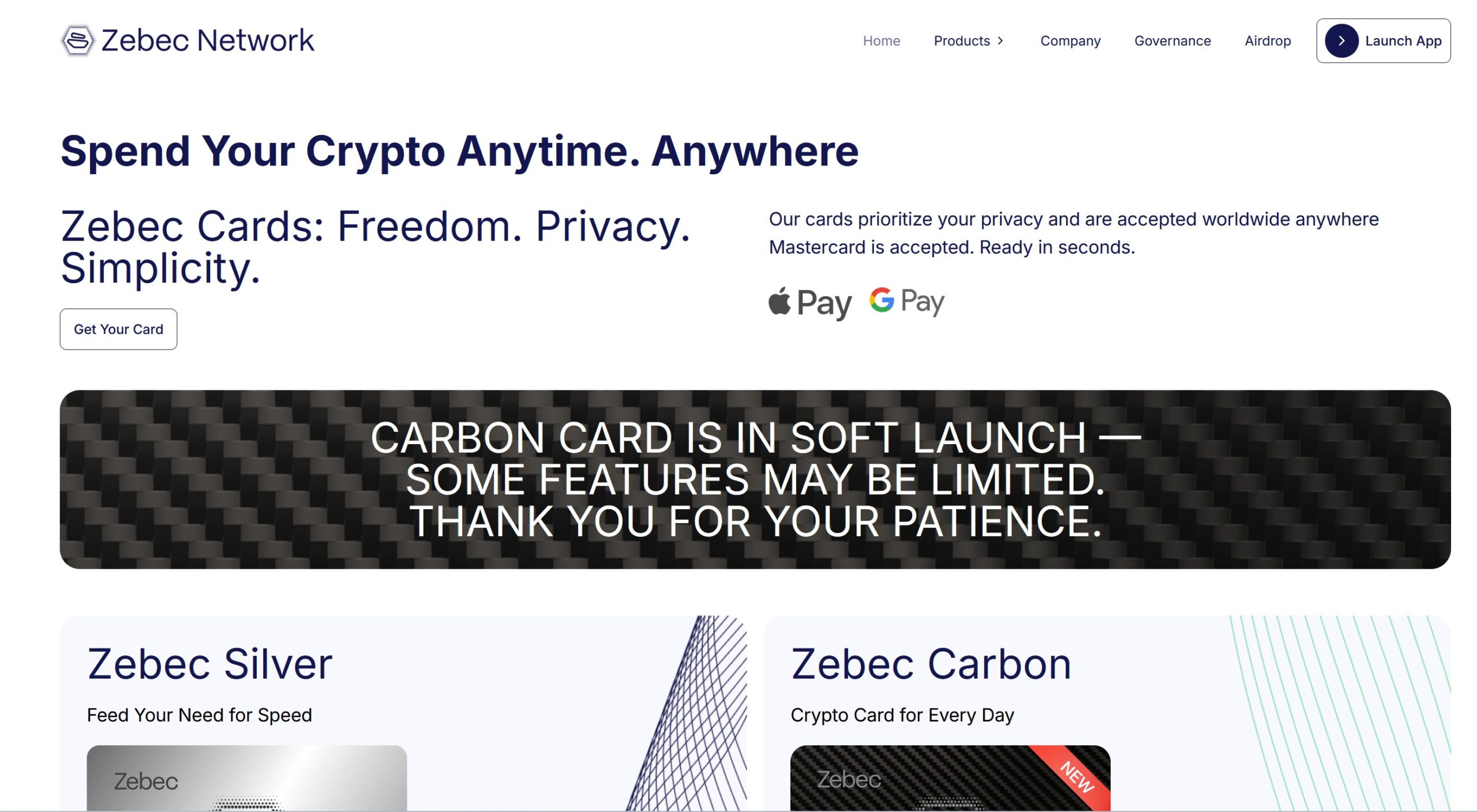
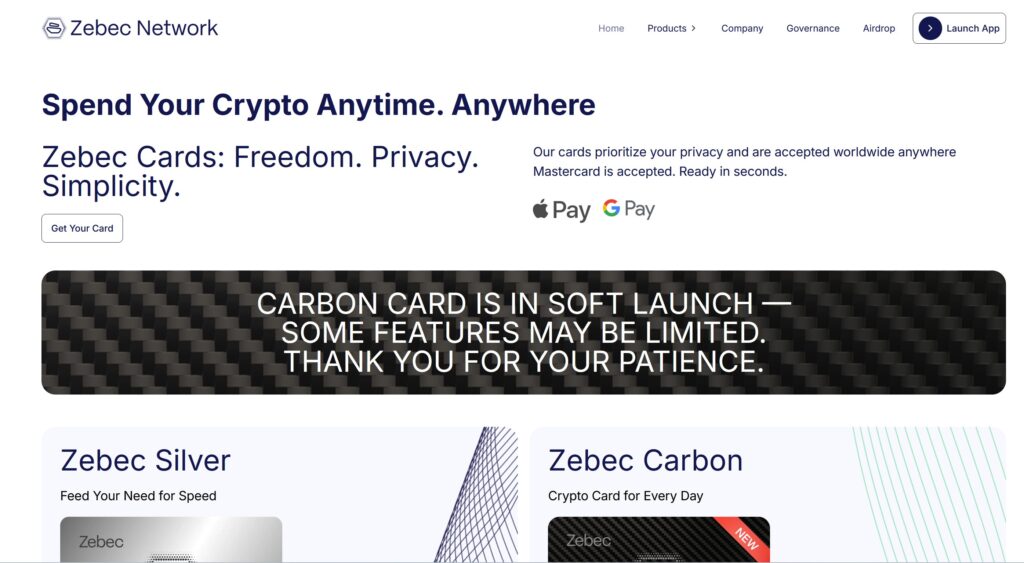
Back when I tested it, the Zebec Silver Card was a KYC-free virtual card funded directly with USDC, with zero conversion loss advertised. Signup was genuinely painless; merchant acceptance was the catch. It worked for small tests, but I would not run it as a primary card. Keep in mind that everything below describes that earlier program — Zebec's current card lineup is different (see the verification note above).
1. Signup with nothing but an email
Signing up was almost embarrassingly easy: no phone verification, just an email, a password, and an address. One snag is worth recording — a US address got rejected on the first try, and a UK postcode went through immediately. No ID or passport upload at any step, and the phone number field was effectively decorative since verification codes arrived by email. For privacy-minded users, that was the whole appeal.
For the wallet connection I spun up a fresh MetaMask account rather than risking my main one. The minimum load was 5 USDC, and on BSC the gas cost pennies — a fraction of what the same move costs on Ethereum mainnet. The card details (number, expiry, CVV) arrived by email within minutes of purchase. End to end: under five minutes.
2. Where the card worked and where it didn't
(a) What worked: Meituan, with an exact FX rate
I bound the card to Meituan on a whim, and it went through instantly: a 24.9 yuan membership billed at US$3.51, matching the Google FX rate to the cent — the zero-conversion claim held up there. Transactions showed up in Mobilum Pay in real time, unlike some virtual cards that take ages to post.
(b) What failed: Alipay flagged it, WeChat refused it
Alipay was the opposite experience: binding the card immediately triggered a risk-control flag ("account abnormal"), and unlocking it would have meant sending card screenshots plus ID photos front and back — not worth it. WeChat simply said "card type not supported." Mainland payment platforms are clearly sensitive to this kind of card.
(c) Everything else: hit and miss
A few overseas stores took the card without complaint; others errored out, probably a difference in acquiring channels. Cloud server payments were fine. Some subscription services kept returning "payment failed" no matter how I retried — a real time sink.
3. Pros, cons, and who it suits
Pros
- No KYC: no documents to upload — the main draw for anyone who hates verification friction
- Zero conversion loss: 1 USDC spent as 1 US dollar, fairer than cards that skim an exchange fee
- Cheap to try: a 5 USDC load was enough to start with a small test
- Multi-chain funding: Solana, BSC, and other low-gas networks all worked, which keeps costs down
Cons
- Limited acceptance: mainland platforms mostly refuse it, and overseas merchants are hit-or-miss
- Fiddly address entry: a plausible overseas postcode is required, or signup fails
- Discontinuation risk: the earlier Instant Card vanished with little warning, so I never kept much balance on it
4. Practical tips
- Get the address right: use a real-format UK or US postcode (e.g. London SW1A 1AA); mainland addresses tend to fail
- Pick the right network: BSC gas is cheap; avoid Ethereum mainnet for small loads
- Test small: don't load much at once; top up as you spend
- Keep the emails: the card details live there and can't be recovered once deleted
5. Who should (and shouldn't) bother
If you wanted a no-KYC card for small overseas payments, it was a reasonable thing to experiment with. For daily shopping or anything larger, the acceptance limits and the discontinuation history make it a poor primary card.
One last caution: this space moves fast — the earlier Zebec Instant Card was discontinued with little warning. Treat any Zebec card as a spare, not a foundation, and check the current official program before funding anything.