Comparison of USDT Transfer Networks: Which Is the Most Cost-Effective—ERC20, TRC20, or BEP20?

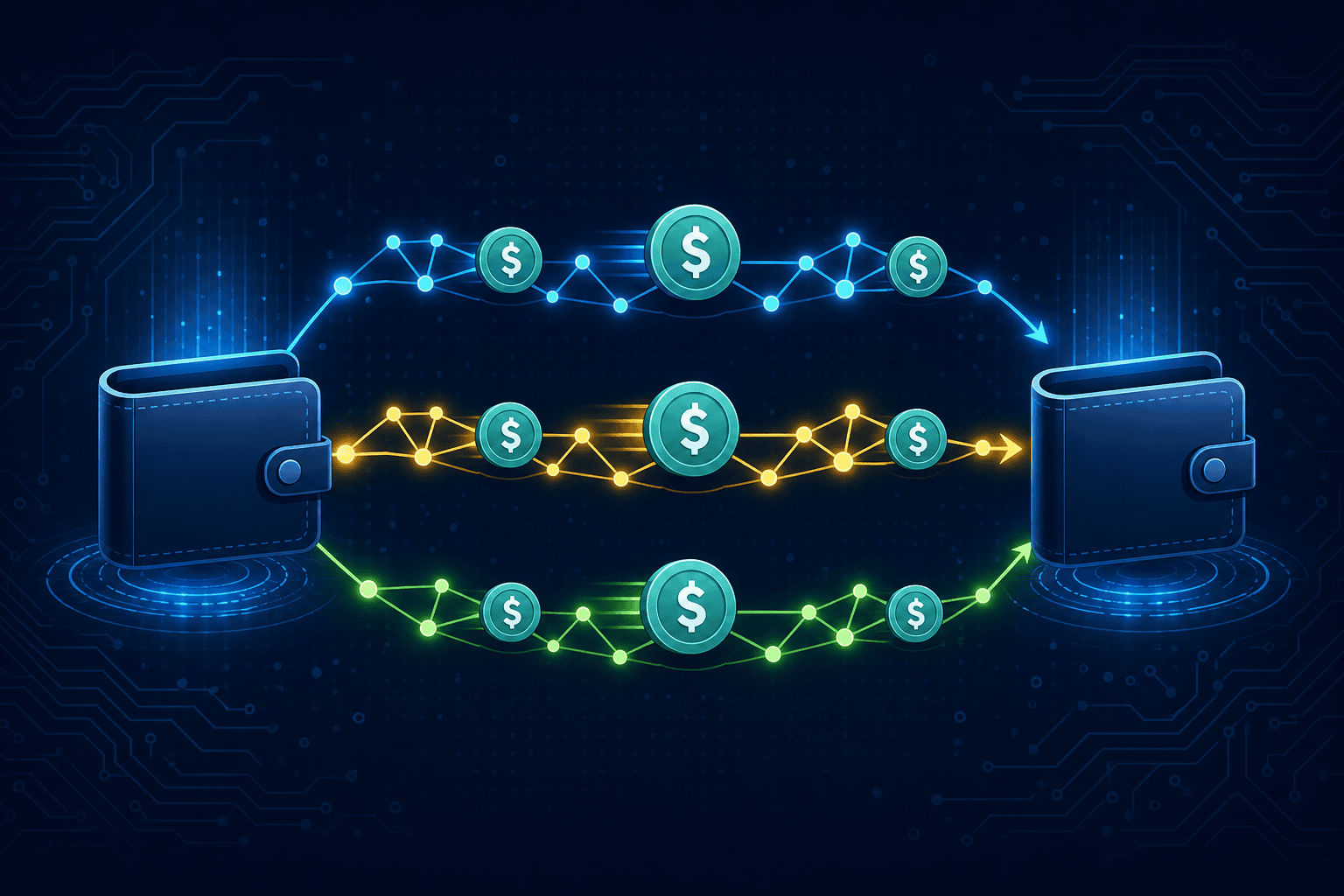
USDT Network Comparison

If you select the wrong network when transferring USDT, you may end up paying 100 times the usual transaction fee—or even lose your coins permanently. This article compares the transaction fees, processing speeds, and use cases of the three major blockchains—ERC20, TRC20, and BEP20—to help you choose the right network for both small and large daily transfers, as well as outline what steps you can take if you accidentally send funds to the wrong network.

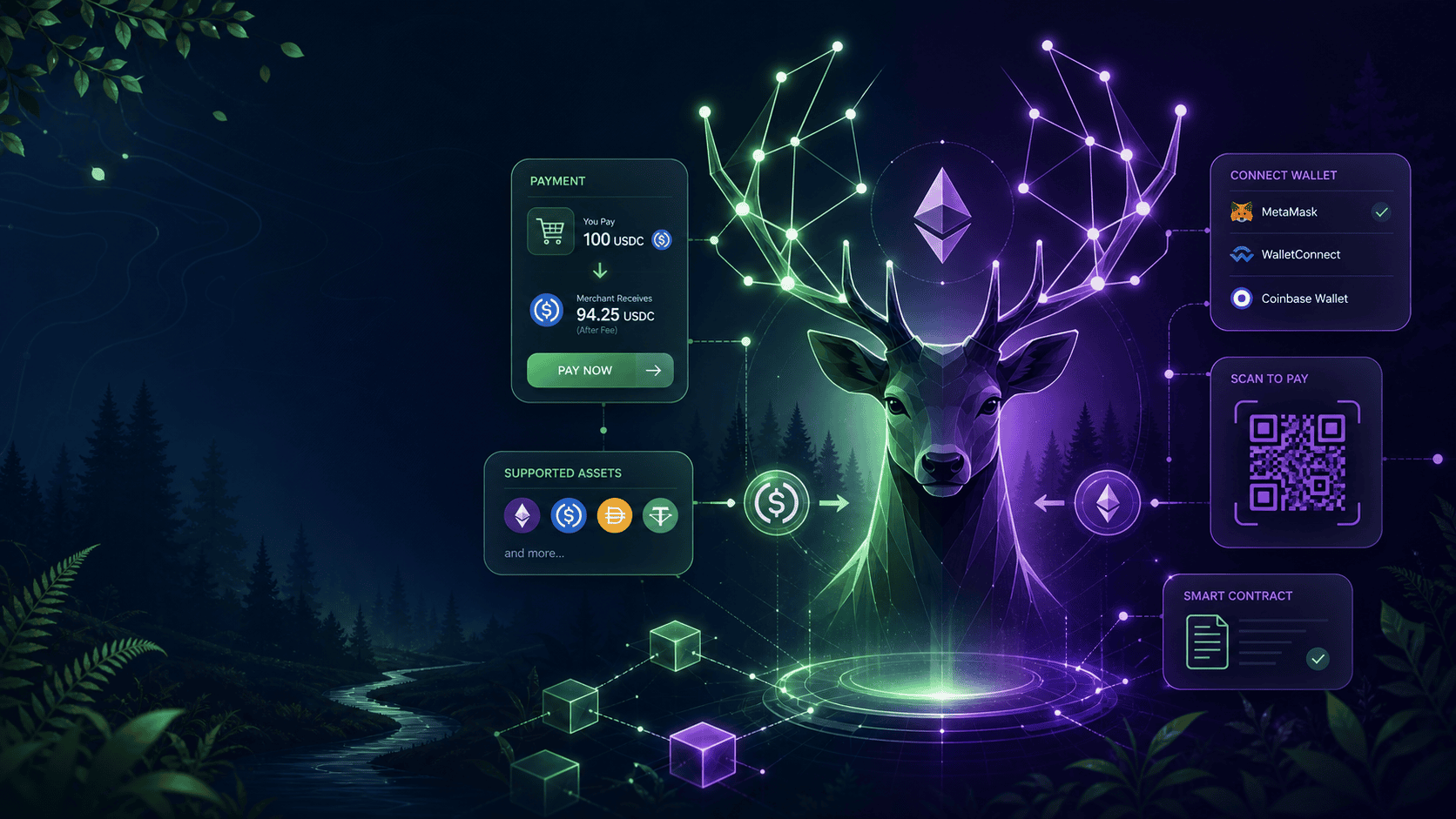
Web3 payment platform DeerPay

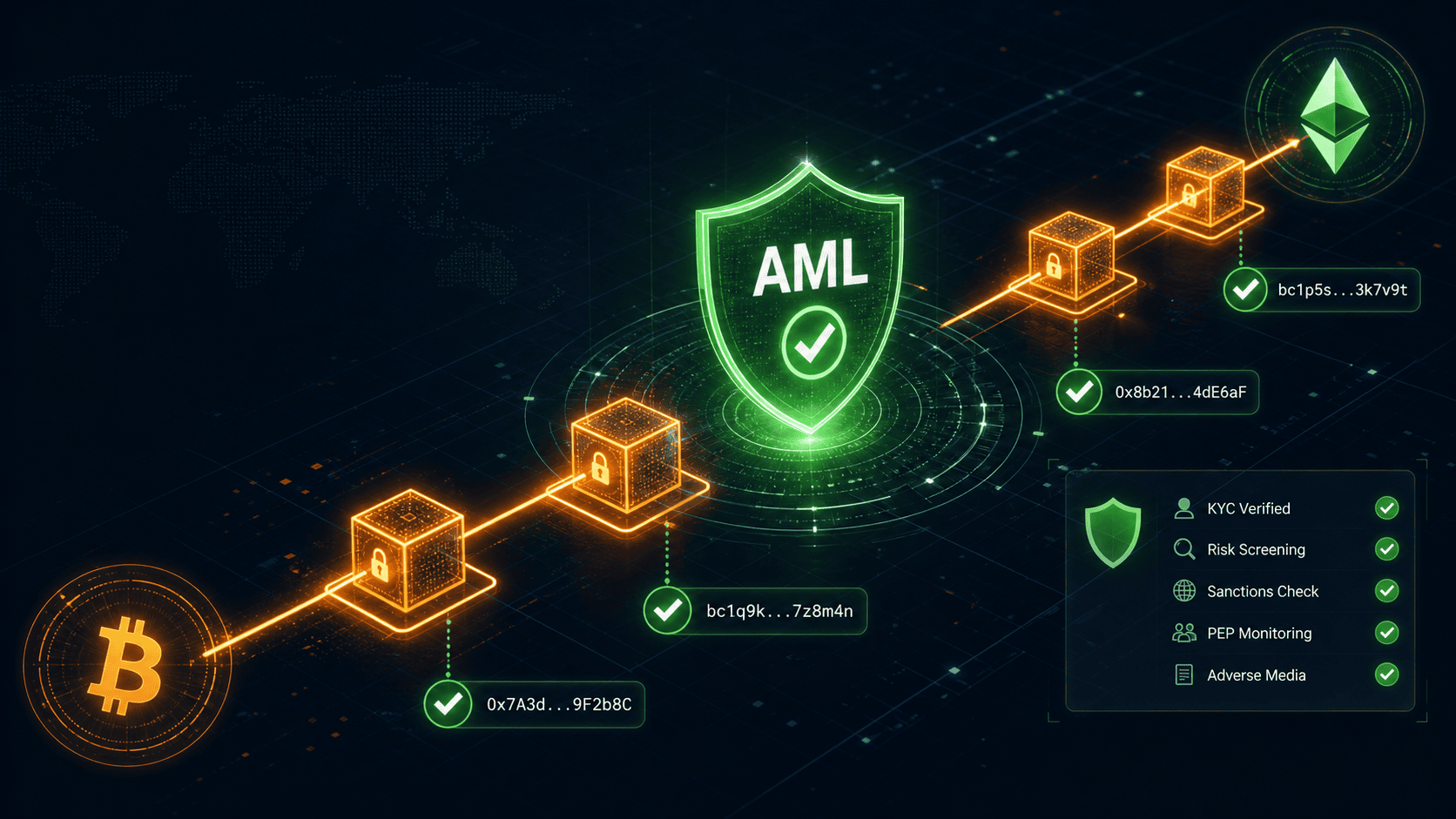
DogPay Dog Card Virtual U-Card Review with Images

An in-depth analysis of the Web3 payment platform DeerPay, exploring its cryptocurrency receipt and fiat settlement mechanisms, and analyzing its advantages and disadvantages compared to traditional cross-border payments.

How to Properly Use a Decentralized Cryptocurrency Exchange (DEX)

How to Use a Decentralized Cryptocurrency Exchange (DEX) Correctly - Illustration for a VirtualCardx Article

I. A Simple Understanding of Decentralized Cryptocurrency Exchanges (DEX) Imagine that traditional exchanges (such as stock exchanges) require banks or companies to hold your money and facilitate trades for you, whereas a **decentralized exchange (DEX)** is like a “vending machine.” You don’t need to entrust your assets to anyone else; instead, you trade directly with other users through programs on the blockchain (smart contracts), maintaining full control over your assets throughout the process.

Wavefield TRX Energy Rental Platform

Tron (TRX) Energy Rental Platform - Image for VirtualCardx Article

Are TRON transfer fees too high? This article highlights some useful TRON (TRX) Power rental platforms and provides a detailed guide to renting TRX Power and bandwidth, helping you significantly reduce transfer fees for USDT and other transactions on the TRON blockchain.

en_USEnglish