 VirtualCardx
Best Virtual Credit Cards 2026: 10 Compared
Content-review update (2026-09-15): Platform availability, fees, and product terms change quickly, and BitMart is no longer listed as an available recommendation. This page therefore does not provide static ranks or acceptance-rate promises.
Choosing a Virtual Card: A Verification Method, Not a Fixed Ranking
Check before every use
- Confirm the operator, official site, eligible regions, and current terms.
- Calculate issuance, funding, FX, monthly, decline, dispute, and withdrawal costs; do not rely on a headline rate.
- Check KYC, billing-address, 3DS, transaction-limit, and withdrawal rules for your lawful use.
- Make a compliant small test only with a payment method you own and are authorized to use; do not use someone else’s card or evade merchant controls.
- Do not treat a payment card as a bank account or long-term asset custodian.
BINs and “acceptance rates”
A card network or BIN is only a public attribute clue. It does not prove merchant acceptance, provider safety, or recoverability of funds. Merchant rules, 3DS, billing address, balance, and fraud controls still apply.
Virtual-card, cross-border-payment, and digital-asset services can involve freezes, pricing changes, regional restrictions, and loss. This is not financial, investment, tax, or legal advice.
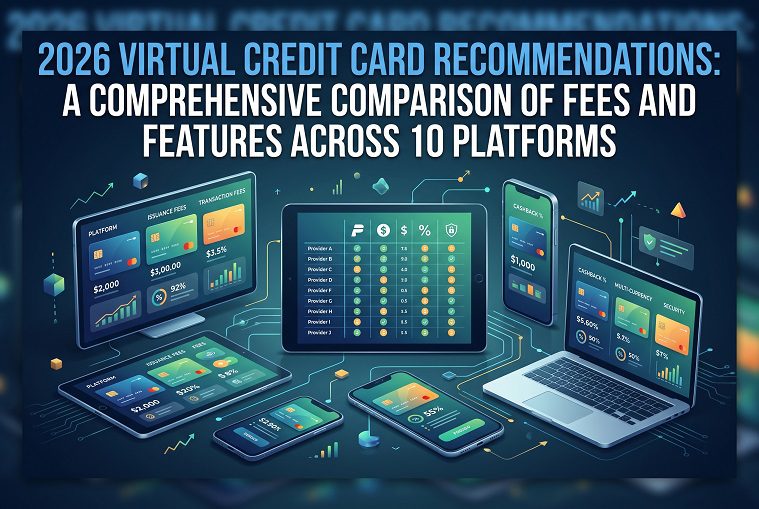
2026 platform landscape at a glance
The comparison below reflects public terms as of September 2026 and covers structural differences only; fees and availability shift constantly, so re-verify on the official page before applying.
- Cashback-matrix cards: built around USD spend rewards, usually zero monthly fee with tiered category cashback; best for subscription-heavy and cross-border online shopping users. Check the exclusions: whether rewards are spend-only credit, the monthly caps, and which channels (Apple App Store subscriptions, for example) never earn.
- Fee-based issuers: priced as issuance fee plus top-up fee plus monthly fee, with clearly labeled BINs and use cases; fits users who need multiple cards to isolate project budgets. Check the top-up rail, dispute handling, and dormancy policy.
- Exchange ecosystem cards: issued by licensed exchanges and settled straight from the trading balance; the funding path is short, but the card follows the exchange's overall strategy. The BitMart card shutdown is the canonical cautionary case (see our BitMart entry).
- Bank and licensed-institution virtual cards: multi-currency cards from banks or licensed e-money institutions, with proper compliance and complaint channels, but generally no crypto funding.
A decision tree by use case
- Where does your money come from? Fiat salary points to licensed-institution cards; stablecoin holdings point to cashback or fee-based platforms.
- What do you spend on? Subscriptions mean reading reward tiers and exclusion clauses; one-off large purchases mean checking per-transaction limits and 3DS support.
- Is your region on the support list, and does your KYC document type match?
- How does money leave: can balances be withdrawn, what is the refund path, and how have shutdowns been handled historically?
Our verified platform records
We maintain and continuously update verified records for RDVCC, EasyPay, StarryBlu, Timon, CoinePay, UeePay, WasabiCard, Roogoo, PayFun, 79Card, Cashi, and Hyperbeat Pay. Each record covers the legal operator, KYC requirements, fee structure, and risk notes, and works as the working checklist behind the method above.
Cross-check the directory record
The conclusions above come from itemised public-source checks; each platform’s BINs, fees and KYC status are filed in VCCDir platform directory, which serves as the comparison table behind this article.