 VirtualCardx
Zeptocard Virtual Card Platform Review & Fees
I. Platform Overview
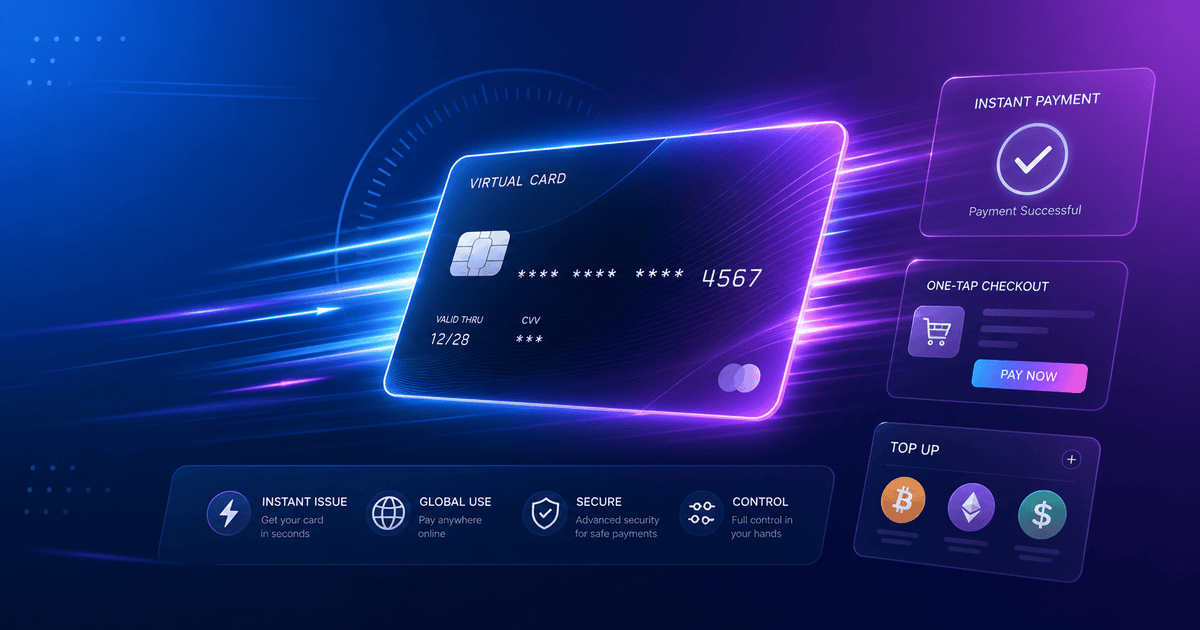
zeptocard It is a virtual credit card platform that claims to be based in the United States; its official website is zeptocard.com. The platform offers virtual card issuance services, but its fee structure differs significantly from that of other platforms—Charge a monthly fee...which is relatively uncommon among virtual card platforms.
II. Contact Information: Email Only
The only way to contact zeptocard is via email. contact@zeptocard.com...There is no online customer service, phone support, or instant messaging channel. For platforms that handle funds, having only a single contact method may lead to the following issues:
- Unable to get help quickly when facing an urgent problem
- Email communication is subject to time zone differences and response delays
- Without a diverse range of customer service channels, it is difficult to ensure service quality.
III. Domain Name Whois Information
We looked up the WHOIS information for zeptocard.com, but the results did not provide enough useful information. The domain registration information may be subject to privacy protection, making it impossible to clearly trace the operator’s background. This stands in contrast to the transparency of Three Monkeys, where company business registration information can be found.
IV. Team Location and Monthly Fee Model
The "About" page on the zeptocard website mentions that its team is based in the United States. But what’s more noteworthy is its pricing model:
- Platform FeesMonthly fee, approximately60 RMB per month
- This means that even if you don't activate the card or make any purchases, you'll still have to pay a fixed monthly fee.
- Compared to platforms that charge based on the number of times a card is activated, Zeptocard has higher long-term holding costs.
A monthly fee of 60 yuan may be acceptable for frequent users, but it is relatively high for occasional users. For example, even if you don’t use the service for a year, you’ll still have to pay 720 yuan. This isn’t cost-effective for most individual users.
V. Strengths and Weaknesses
vantage
- The team claims to be based in the United States, which may give it a certain advantage in terms of compliance.
- The platform's interface design is fairly modern, and the user experience is decent.
Shortcomings
- Monthly fee: 60 yuan, High long-term costs; not suitable for infrequent users
- The only contact information available is an email address; the customer service channel is limited to this single option.
- Whois information is not transparent, and it is difficult to verify the operator's background
- The monthly subscription model is somewhat unusual among virtual card platforms, and its value for money is questionable.
VI. Summary
zeptocard This is a virtual card platform with a unique positioning, and its monthly subscription model is uncommon in the industry. The fixed fee of nearly 60 yuan per month makes it more suitable for professional or business users who use the service frequently; for ordinary individual users, it offers lower cost-effectiveness. If you have a high volume of virtual card usage each month and don’t mind paying a fixed monthly fee, you might want to try Zeptocard. However, if you only occasionally need a virtual card to subscribe to a service, platforms that charge per card activation (such as ucards or cvcwallet) would be a more economical choice. We recommend carefully calculating the monthly cost before deciding to use the service to ensure you’re getting your money’s worth.
Virtual Card Platform Roundup—Zeptocard Virtual Card Platform: Please Check These Points Before Reading
Policies regarding virtual credit cards, U-cards, and encrypted payment platforms change rapidly. Card issuance fees, top-up rates, KYC requirements, supported platforms, and risk control rules are all subject to change at short notice. Therefore, when reviewing information about these platforms, don’t just focus on individual fee figures; instead, verify whether the platform is still operating normally, whether it supports your specific payment needs, and whether you can withdraw or transfer funds from your account at any time.
If you plan to use this type of card to pay for ChatGPT, advertising accounts, cloud servers, overseas shopping subscriptions, or cross-border SaaS services, we recommend starting with a small amount to test it out. Once you’ve confirmed it works, gradually increase the amount you load onto the card. Avoid keeping a large balance on a single platform for an extended period right from the start—especially on platforms that lack a clear corporate entity, have slow customer service response times, or have received a lot of negative feedback from the community.
Items to Check Carefully
- KYC Requirements:Confirm whether it is completely KYC-free, has a low KYC threshold, or requires verification only after reaching a certain limit.
- Payment Methods:Check whether USDT, bank cards, Alipay, WeChat Pay, or other payment methods are supported, and calculate the actual loss incurred upon receipt of funds.
- Card Organizations and Card Series:The acceptance rates for Visa, Mastercard, prepaid cards, debit cards, and corporate cards vary significantly across different platforms.
- Consumer Scenarios:Make sure to verify whether the platform supports ad placement, AI subscriptions, international e-commerce, hotel and flight bookings, PayPal, or Apple Pay.
- Risk Control Rules:Familiarize yourself with the rules regarding account freezes, chargebacks, refunds, card cancellations, and balance withdrawals to avoid having your funds held up later.
Recommendations for Use
A safer approach is to have at least two alternative platforms ready: one for regular subscription payments, one for advertising or high-frequency transactions, and one as a temporary backup. This way, even if a platform undergoes temporary maintenance, a payment range is rejected, or fees are raised, it won’t affect ongoing business operations.
If a platform advertises “zero fees,” “permanent KYC exemption,” or “guaranteed approval in any scenario,” you should be even more cautious. Whether a virtual card can successfully process a payment typically depends on the issuing region, MCC, the merchant’s risk control measures, the billing address, the IP environment, and the transaction history—factors that no single platform can guarantee on its own.
Frequently Asked Questions
Are platforms that don't require KYC really better?Not necessarily. While waiving KYC requirements lowers the barrier to opening an account, it may also lead to issues such as low credit limits, strict risk controls, and slow customer service response times. It is suitable for small amounts, temporary needs, and situations requiring a high degree of privacy, but is not suitable for long-term storage of large sums of money.
Why can I use the same virtual card to make payments on some websites but not on others?Different merchants check the card range, billing address, IP address, device environment, and historical chargeback rate. Just because a card is valid doesn’t mean all platforms will accept it.
How can you reduce the likelihood of running into problems?First, check recent reviews, then make a small deposit to test the platform. Be sure to keep records of your transactions and screenshots of your communications with customer service, and avoid leaving a balance sitting in an unfamiliar platform for long periods of time.
Related Content
Status check — September 2026
The zeptocard.com domain referenced by this article now redirects to a domain-for-sale page. No operating official service entry could be verified. Availability, fees, KYC, issuer and licensing information therefore cannot be confirmed. Product descriptions below are retained as historical context only; do not fund or submit identity data unless a verifiable official announcement and regulatory information establish a new entry point and operating entity.